
Next-Level Cloud Control: Best Platforms for Enterprises in 2025
Enterprises need efficient tools to manage and optimize their cloud resources. This article highlights the top cloud management platforms for enterprises in 2025, detailing their features, benefits, and helping you decide which one fits your business.
Key Takeaways
- Cloud Management Platforms (CMPs) are essential for enterprises to monitor, control, and optimize cloud resources, providing functionalities like performance monitoring and automation to ensure efficient operations.
- Key benefits of CMPs include significant cost savings through resource optimization, enhanced security measures for regulatory compliance, and improved operational efficiency via automation of routine tasks.
- Selecting the right CMP requires careful consideration of scalability, multi-cloud compatibility, and user-friendly interfaces to ensure alignment with business goals and operational needs.
Overview of Cloud Management Platforms
Cloud management platforms (CMPs) are sophisticated software solutions designed to monitor, control, and optimize cloud resources effectively. These platforms assist businesses by overseeing and managing their cloud infrastructure services, resources, and data, ensuring that operations run smoothly and efficiently. CMPs offer a range of functionalities, including performance monitoring, automation, diagnostics, resource allocation, and deployments within cloud environments.
The governance and control of an organization’s cloud infrastructure are pivotal roles of CMPs, ensuring optimal performance and robust security. Additionally, these platforms help mitigate issues related to resource sprawl by effectively tracking and managing cloud resource usage. CMPs enable organizations to implement consistent governance policies across various cloud environments, thereby maintaining order and efficiency in their cloud operations.
Benefits of Using Cloud Management Platforms
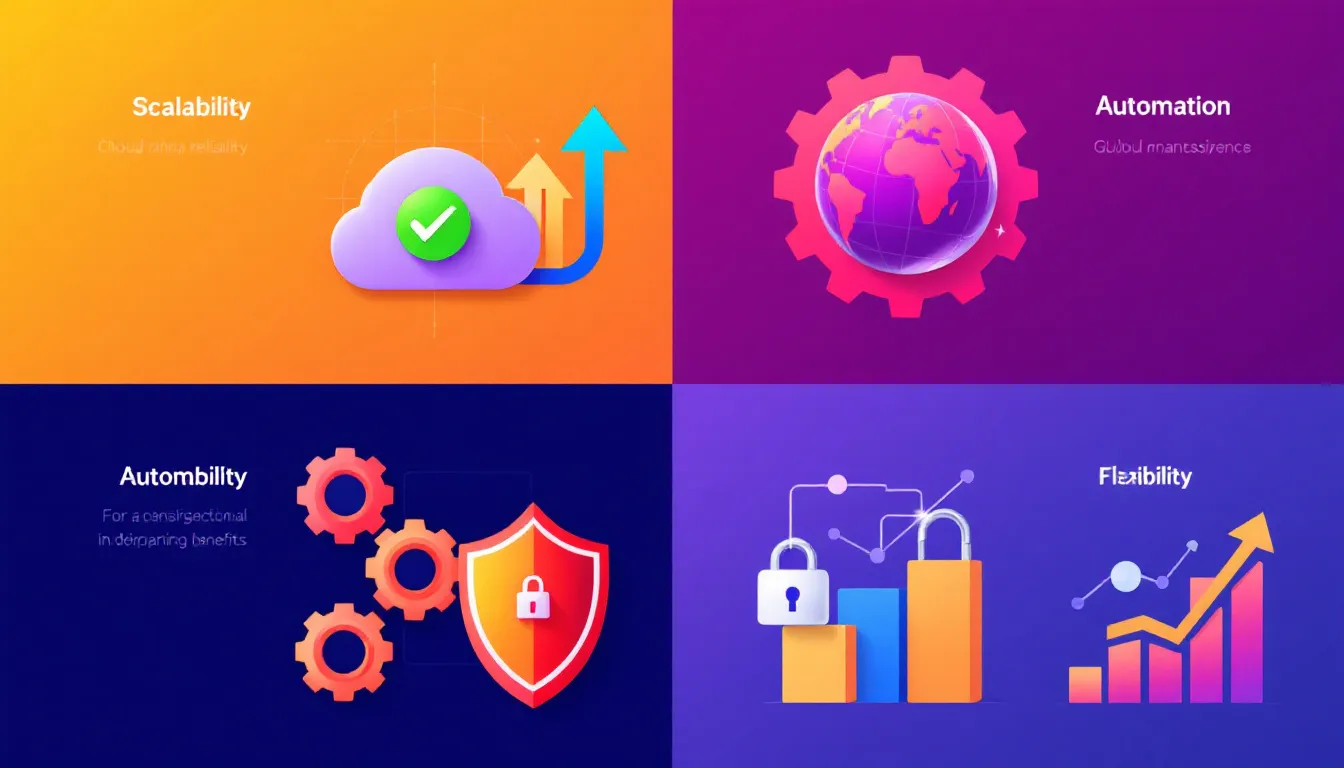
Utilizing a cloud management platform can significantly benefit enterprises by providing cost savings, enhancing security measures, improving resource allocation, and boosting operational efficiency. Each of these benefits plays a crucial role in ensuring that an organization’s cloud operations are not only effective but also aligned with their business goals.
Let’s explore these benefits in more detail.
Cost Savings and Optimization
One of the primary functions of cloud management platforms is cost optimization. These platforms help enterprises identify abandoned resources and utilize automated resource scaling techniques to drive down costs. Aggregating billing data and offering intelligent analytics, CMPs help organizations optimize resource usage and cut expenses efficiently.
Technologies like AI and ML are leveraged by these platforms to proactively optimize costs, further enhancing their effectiveness. Detailed cost analyses and recommendations provided by platforms like Harness offer actionable insights that contribute to significant cost savings for enterprises. These capabilities ensure that businesses can allocate their budgets more effectively and achieve robust cost management.
Enhanced Security Measures
Robust cloud management software includes features for compliance and governance to ensure adherence to regulatory standards. Providing visibility across different cloud environments and alerts for potential security risks, these platforms help enterprises maintain a secure cloud environment. Essential security features like data encryption, access controls, and compliance certifications are integral to CMPs, ensuring that sensitive data remains protected.
Continuous scanning of cloud infrastructure to flag risky configurations and ensure compliance is a critical function of security tools within CMPs. These platforms support common compliance standards such as SOC 2, HIPAA, GDPR, and PCI DSS, enabling enterprises to meet regulatory requirements and maintain trust with their customers.
By integrating with IAM systems and employing governance tools, CMPs fortify the security of cloud environments against vulnerabilities.
Improved Resource Allocation
The use of cloud management platforms aids in the efficient allocation of resources, ensuring optimal performance and preventing wastage. These platforms provide insights into underutilized assets, allowing enterprises to manage their cloud resources effectively and achieve better financial management outcomes.
Operational Efficiency
Automation and orchestration capabilities in cloud management platforms streamline routine tasks, significantly enhancing operational efficiency in service management and infrastructure provisioning. For instance, automation features can handle maintenance activities such as scheduled snapshots and log rotations, freeing up IT resources to focus on strategic initiatives. This not only improves incident response times but also ensures overall service reliability.
The long-term operational efficiencies gained from automation provide significant ROI, transcending immediate cost savings. By automating routine tasks and providing visibility into the entire cloud infrastructure, CMPs enable organizations to optimize resource utilization and achieve higher operational efficiency.
Key Features to Look For in Cloud Management Platforms
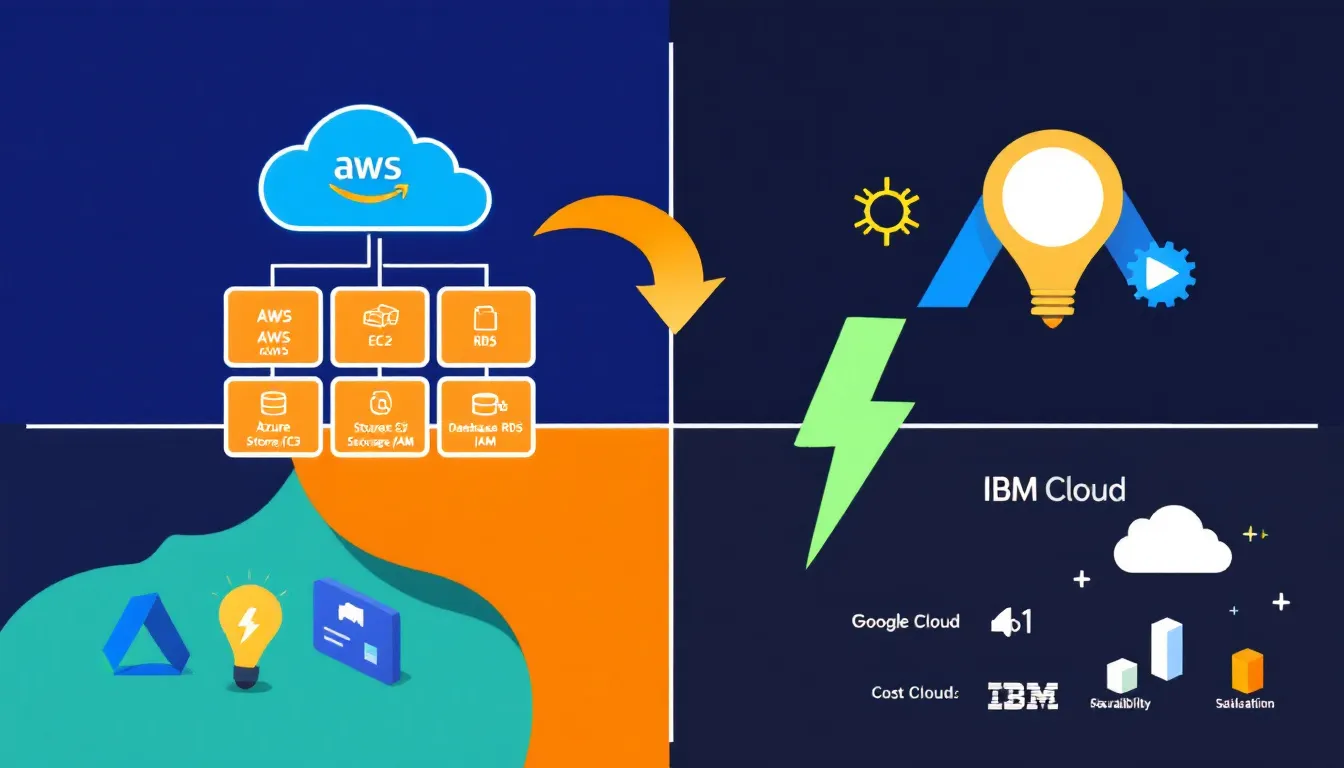
When selecting a cloud management platform, enterprises should prioritize key features such as scalability, flexibility, multi-cloud compatibility, and a user-friendly interface. These features ensure that the platform can grow with the business, integrate seamlessly with existing workflows, and provide a positive user experience.
Let’s delve into these features in detail.
Scalability and Flexibility
Scalability is a crucial aspect of any cloud management platform, allowing it to handle increased workloads as the business grows. CMPs should be capable of monitoring a vast number of resources, adapting to evolving business needs. Centralized operations management further enhances flexibility by allowing IT teams to control multiple cloud environments from a single interface, ensuring consistency and efficiency.
Flexibility is equally important, as it enables the platform to support diverse cloud environments, including:
- private
- public
- hybrid environments
- multi-cloud setups
This ensures that enterprises can integrate their existing systems and adapt to new technologies without significant disruptions. CMPs that offer seamless integration capabilities and extensive automation features can significantly enhance operational efficiency and resource utilization.
Multi-Cloud Compatibility
In today’s diverse cloud platforms landscape, integration with multiple cloud providers and multi cloud support is essential for maintaining a seamless operational experience and preventing data fragmentation.
Effective cloud management solutions must offer a unified view of resources across multi-cloud environments, enabling enterprises to centralize management and optimize cloud resources efficiently through logical resource grouping based strategies in the entire cloud environment, optimizing resource utilization and making it the best cloud management approach for private clouds using a hybrid cloud management platform.
Platforms like CoreStack and Flexera’s Cloud Management Platform exemplify this by providing visibility across major cloud platforms such as:
- AWS
- Azure
- GCP
- Oracle Cloud
Statistics show that 81% of organizations operate or plan to operate in a multi-cloud or hybrid cloud environment, underscoring the importance of multi-cloud compatibility. Platforms like VMware Aria Cost support wide integration with major cloud providers, facilitating smooth operations and greater efficiency.
However, it’s important to note that some platforms may have limitations, such as Azure management tools, which are primarily focused on Azure resources.
User-Friendly Interface
An effective cloud management platform should feature intuitive dashboards that convey complex information in an easily understandable manner. Evaluating user feedback from independent review sites can provide insights that are more objective than vendor claims, helping enterprises choose platforms with the best user experience.
User-friendly interfaces with an intuitive interface facilitate ease of use and speed up onboarding processes, significantly enhancing productivity and reducing the learning curve for new users while ensuring proper manage user access.
Top Cloud Management Platforms for Enterprises in 2025
The top cloud management platforms for 2025 include a combination of vendor-specific and third-party solutions that cater to diverse organizational needs. Each platform offers unique features and capabilities, making it essential for enterprises to assess their specific requirements and choose the right cloud management platform that aligns with their business goals.
AWS Cloud Management Tools
AWS offers a rich suite of management tools that streamline resource allocation and enhance visibility across cloud environments. The AWS Management Console provides a user-friendly interface to manage AWS services and monitor resources efficiently. Tools like AWS CloudFormation facilitate automated resource deployment through infrastructure as code, while AWS Cost Explorer allows organizations to visualize and manage their spending patterns.
Additionally, AWS CloudTrail enhances compliance and security management by logging and monitoring account activity.
Google Cloud Platform (GCP) Tools
Google Cloud Platform tools provide advanced analytics features that allow enterprises to analyze large datasets efficiently and gain actionable insights. GCP offers various cloud cost optimization tools that enable businesses to monitor tracking cloud spend, optimize resource use, and allocate budgets more effectively, ultimately managing their cloud costs through cloud computing and cloud usage.
Designed to integrate seamlessly with other Google services, these tools enhance overall productivity and collaboration across platforms.
Microsoft Azure Management Tools
Microsoft Azure management tools provide end-to-end management and governance services. These tools encompass governance, automation, deployment, security, and cost optimization capabilities, ensuring comprehensive management of Azure environments. Azure facilitates compliance and security through built-in features and integration with Azure Security Center, while performance insights are provided by Azure Monitor and Azure Log Analytics.
The comprehensive capabilities of Azure management tools are essential for effective governance, security, and performance monitoring.
IBM Cloud Pak for Multicloud Management
Upgrading IBM’s Cloud Orchestrator grants advanced capabilities such as comprehensive multi-cloud management and a customizable self-service console. IBM Cloud Orchestrator is compatible with Turbonomic, enhancing its capabilities in resource management across cloud environments.
IBM Cloud Pak for Multicloud Management provides a robust solution for managing hybrid and multi-cloud environments effectively, ensuring that enterprises can optimize their cloud resources efficiently.
VMware vRealize Suite
VMware vRealize Suite is recognized for its strong automation capabilities, streamlining both private and public cloud management. This platform offers extensive automation features, enabling enterprises to manage their cloud resources efficiently and enhance operational efficiency.
Oracle Cloud Infrastructure (OCI) Management
Oracle Enterprise Manager offers features for management and migration. It also supports testing and deployment across hybrid clouds. The consolidation of on-premise, Oracle Cloud, and Oracle Cloud Machine deployments enhances cost efficiency for enterprises.
With integrated monitoring of both on-premise and Oracle Cloud services, Oracle Enterprise Manager ensures comprehensive oversight and enhanced security measures, safeguarding enterprise data across environments.
RedHat Cloud Suite
The RedHat Cloud Suite leverages OpenStack technology to improve control over cloud resources and services. As an all-in-one cloud management framework, it provides scalable infrastructure and lifecycle management for various cloud services, ensuring that enterprises can manage their cloud environments effectively.
Nutanix Prism
Nutanix Prism simplifies hybrid cloud operations by integrating computing, storage, and networking into a unified management platform that combines infrastructure provisioning. Designed for hybrid and multi-cloud deployments, Nutanix Cloud Manager offers seamless management capabilities, including rapid provisioning, workload mobility, and automated cost optimization.
BMC Helix Cloud Management
BMC Helix Cloud Management focuses on intelligent analytics, enabling agile service provisioning and optimizing resource usage. By leveraging data-driven insights, this platform helps organizations maximize their resource utilization and achieve effective cost management.
Morpheus Data
Morpheus Data provides a vendor-agnostic solution for managing hybrid and multi-cloud environments with an emphasis on automation. Key features include a user-friendly interface, extensive automation capabilities, and support for various environments, including virtual machines, container-based stacks, and the application development lifecycle.
Morpheus Data enables cost control through optimized resource allocation and enhanced visibility of cloud spending across multiple environments.
How to Choose the Right Cloud Management Platform for Your Enterprise
Choosing the right cloud management platform involves considering critical factors such as feature set, ease of use, cost, and platform credibility. Each of these elements plays a vital role in ensuring that the chosen platform aligns with the enterprise’s business objectives and operational needs.
Let’s explore the essential steps in detail.
Define Business Objectives
Enterprises should define measurable targets that align with their business priorities when choosing a cloud management platform. For instance, an example of a measurable target for cloud management is to lower CPU utilization below 60%.
Establishing clear goals is crucial for evaluating cloud management platforms and ensuring they align with business priorities.
Assess Platform Capabilities
When evaluating cloud management platforms, scalability ensures that the solution can grow with your business needs, while integration capabilities allow seamless operation across various cloud services. Companies often combine native provider tools with third-party platforms to meet specific requirements for scalability and integration.
Additionally, CMPs should provide robust security capabilities such as security scanning and compliance tracking to safeguard enterprise data. The quality of support is also crucial during critical incidents.
Consider Total Cost of Ownership (TCO)
Total Cost of Ownership (TCO) is a crucial metric for enterprises evaluating cloud management platforms, encompassing all costs associated with the platform over its entire lifecycle. Understanding TCO allows organizations to make informed decisions that go beyond upfront costs and consider long-term financial implications.
Components of TCO include initial licensing fees, implementation costs, ongoing maintenance, support, and potential training expenses. Organizations should also consider potential hidden costs, such as downtime, performance inefficiencies, and the cost of compliance.
Cloudpso Uses These Platforms
Cloudpso utilizes leading platforms like Cloud Affinity for effective cloud migrations and optimized deployments. Kaseya is employed for IT management tasks such as monitoring and automation. Cloudpso also incorporates industry-standard monitoring and analytics tools to enhance performance optimization.
For advanced data security, Cloudpso leverages CrowdStrike to detect and prevent cyber threats. Contact Cloudpso today to learn more about how these platforms can transform your enterprise’s cloud strategy.
Summary
Cloud management platforms have become indispensable tools for enterprises looking to streamline their cloud operations, optimize resources, and maintain robust security. By providing cost savings, enhanced security measures, improved resource allocation, and operational efficiency, CMPs play a pivotal role in modern cloud strategies.
When selecting a cloud management platform, it’s essential to consider features such as scalability, multi-cloud compatibility, and a user-friendly interface. The top platforms for 2025, including AWS, Google Cloud Platform, Microsoft Azure, IBM Cloud Pak, VMware vRealize Suite, Oracle Cloud Infrastructure, RedHat Cloud Suite, Nutanix Prism, BMC Helix, and Morpheus Data, each offer unique capabilities that cater to diverse organizational needs.
Ultimately, choosing the right platform involves defining business objectives, assessing platform capabilities, and considering the total cost of ownership. By taking these steps, enterprises can ensure that their cloud management solutions align with their strategic goals and deliver long-term value. Consider leveraging Cloudpso’s services to make the most of these platforms and enhance your cloud operations.
Frequently Asked Questions
What are cloud management platforms?
Cloud management platforms are sophisticated software solutions designed to monitor, manage, and govern cloud environments and resources effectively. They streamline operations, enhance visibility, and ensure compliance across various cloud services.
How do cloud management platforms save costs?
Cloud management platforms save costs by identifying abandoned resources, automating resource scaling, and delivering detailed cost analyses and intelligent analytics. This enables organizations to optimize their cloud spending effectively.
What security features do cloud management platforms provide?
Cloud management platforms (CMPs) typically offer essential security features such as compliance and governance capabilities, data encryption, access controls, and continuous scanning to maintain adherence to industry standards like SOC 2 and HIPAA. These measures collectively enhance the security posture of cloud environments.
What key features should I look for in a cloud management platform?
Key features to consider in a cloud management platform include scalability, multi-cloud compatibility, a user-friendly interface, automation and orchestration capabilities, and strong cost management. These elements will ensure efficient and effective cloud operations.
How can Cloudpso help with cloud management?
Cloudpso enhances cloud management by leveraging top-tier platforms such as Cloud Affinity and Kaseya, ensuring optimized deployments, effective IT management, and robust security measures. This comprehensive approach enables organizations to streamline their cloud operations efficiently.
