
The 10 Cloud Trends That Will Shape 2025’s Digital World
Looking ahead to the future of cloud computing?
This article covers the top 10 cloud computing trends in 2025. Get ready to see how AI, enhanced security, and other key advancements will shape the industry and what they mean for your business.
Key Takeaways
- AI-driven automation in cloud operations boosts productivity and strategic decision-making while enhancing customer service.
- The rise of edge computing enables real-time data processing for various applications, significantly improving operational efficiency.
- Hybrid and multi-cloud strategies offer flexibility and resilience, allowing organizations to avoid vendor lock-in and optimize data management.
AI-Powered Cloud Operations

In the realm of cloud computing, AI-driven automation is a game-changer. AI technologies enable businesses to automate repetitive tasks, significantly boosting productivity and enhancing employee satisfaction. Imagine a world where mundane tasks are handled seamlessly by intelligent systems, freeing up human resources for more strategic roles. This is not a distant dream but a present reality, thanks to the integration of AI in cloud operations.
AI doesn’t just stop at task automation; it also plays a crucial role in decision-making. AI-driven tools can analyze vast datasets, providing insights that guide strategic decisions across various sectors. For instance, predictive analytics, powered by AI, can help organizations anticipate market trends, enabling them to craft proactive business strategies. The ability to make informed decisions swiftly can be the difference between a business thriving or merely surviving in today’s competitive landscape.
Furthermore, AI enhances customer service through intelligent chatbots that operate around the clock, providing faster response times and improving customer satisfaction. This integration of AI in cloud services ensures that businesses remain agile, responsive, and ahead of the curve. Cloud platforms offer the infrastructure needed to leverage these AI capabilities effectively, positioning organizations for future technological advancements.
Edge Computing Revolution
As the number of IoT devices continues to skyrocket, with projections estimating 18.8 billion connected devices by the end of 2024, the importance of edge computing cannot be overstated. Edge computing processes data closer to its source, reducing latency and improving efficiency. This capability is crucial for applications that require real-time data processing, such as autonomous vehicles and smart cities.
In industries like financial services, healthcare, and retail, edge computing is proving to be a game-changer. Reducing bandwidth costs and overall latency enhances operational efficiency and improves customer service. Imagine a healthcare system where patient data is processed in real-time, enabling faster processing for quicker diagnoses and more personalized treatments. Such advancements are made possible by the edge computing revolution.
Moreover, the advent of 5G technology is set to further enhance edge computing by providing ultra-low latency and expanded bandwidth for real-time applications. As edge-enabled IoT devices are expected to grow to 77 billion by 2030, the reliance on edge computing will only increase, driving innovation and transforming various sectors.
Hybrid and Multi-Cloud Strategies

In the dynamic world of cloud computing, flexibility is key. This is where hybrid and multi-cloud strategies come into play. By adopting these strategies, organizations can enhance their flexibility, avoid vendor lock-in, and optimize data management. Imagine having the ability to choose the best services from various cloud providers while retaining control over your applications and data. This hybrid approach allows businesses to enjoy the best of both worlds, making it essential to select the right cloud provider.
Effective management of hybrid and multi-cloud environments enhances data availability and scalability, supporting overall business operations and resilience. Cloud-based disaster recovery solutions minimize disruptions and reduce overhead costs associated with maintaining physical sites. This is particularly crucial in an era where data is the lifeblood of business operations.
However, navigating hybrid and multi-cloud strategies requires investing in cloud expertise and robust security measures to ensure compliance with data privacy regulations. This business strategy allows businesses to harness the full potential of these unique challenges, optimizing operations and stay ahead in the evolving cloud landscape, including the use of a private cloud.
Serverless Computing Expansion
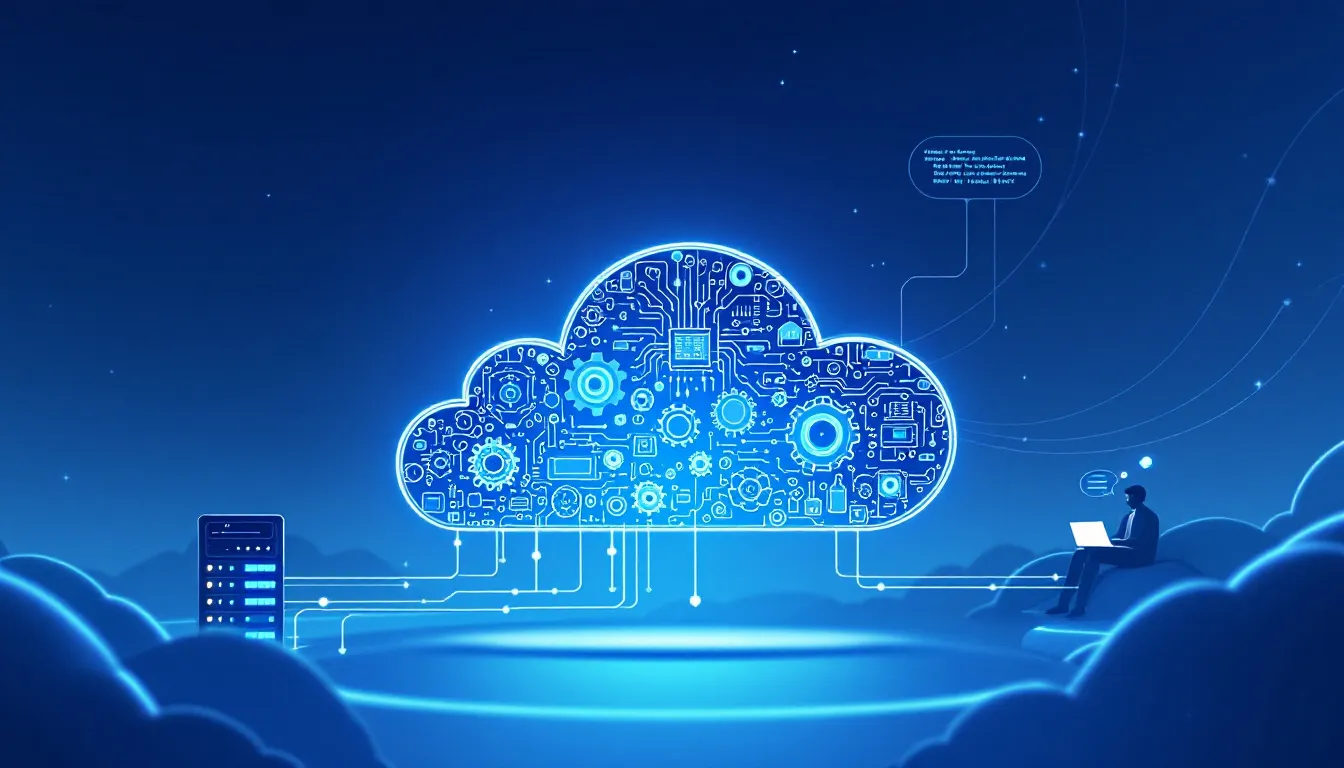
Serverless computing is revolutionizing application development by allowing code execution without the need to manage servers. In this model, the cloud service provider handles code execution and infrastructure management, significantly reducing operational costs and enabling faster service deployment. This pay-per-use model optimizes costs by charging based on actual usage, making it an attractive option for businesses of all sizes. Serverless architecture enhances these benefits by further abstracting infrastructure concerns.
The benefits of serverless computing extend beyond cost savings. It enhances development speed and agility by removing the need for server provisioning, allowing developers to focus on creating value through their applications. Serverless applications automatically scale according to demand, adapting to user traffic fluctuations without manual adjustments. This scalability ensures that applications can handle varying loads efficiently, providing a seamless user experience.
Emerging trends in serverless computing include an increase in Functions as a Service (FaaS) and Event as a Service (EaaS) offerings. These services enable developers to build and deploy applications quickly, responding to events in real-time. Serverless computing allows businesses to innovate faster, reduce costs, and enhance overall agility.
Quantum Computing Integration
Quantum computing is no longer confined to the realm of science fiction. Organizations can now access quantum capabilities through cloud platforms, eliminating the need for on-site quantum hardware. This integration is set to lead to cloud-native applications that leverage quantum algorithms, bringing the power of quantum computing to mainstream business. Quantum computing promises to solve complex problems in seconds, tasks that would take traditional computers millennia.
The transition from experimental to integrated technology in cloud platforms will enable real-world applications across various industries and other technologies. Businesses can gain significant advantages without the need for dedicated quantum hardware, opening new possibilities for innovation and problem-solving in cloud infrastructure.
As quantum computing continues to evolve, its integration with cloud services will undoubtedly be one of the top cloud computing trends to watch, reflecting current cloud trends.
Enhanced Data Security Measures
With the rise in cyberattacks and the growing number of edge devices, enhancing data security measures in cloud computing has become more critical than ever. AI-driven threat detection systems analyze network patterns in real-time to identify potential security threats quickly, providing a robust defense against cyberattacks. However, the use of generative AI by attackers for sophisticated threats underscores the need for advanced security measures.
Organizations are increasingly adopting Cloud-Native Application Protection Platforms (CNAPPs) to streamline cloud security management. These platforms consolidate multiple security tools, enhancing the overall security of cloud applications. Additionally, the integration of Zero Trust principles, which emphasize continuous verification of user identities, is becoming essential for securing cloud assets.
Common data security measures offered by cloud service providers include data encryption, intrusion detection, and activity tracking. Enforcing stringent security policies and investing in advanced security solutions helps businesses protect data and ensure compliance with privacy regulations.
Open-Source Cloud Innovations
Open-source software is a driving force behind the rapid expansion of cloud innovations. The open-source community fosters collaboration, leading to software improvements at a record pace. This collaborative approach is accelerating the development of new technologies and driving innovation in cloud computing.
One of the significant benefits of open-source cloud innovations is the ability to leverage a wide range of tools and technologies with many advantages without being tied to a single vendor. This flexibility helps organizations avoid vendor lock-in and promotes a more adaptable cloud environment. Open-source initiatives play a crucial role in developing smart city technologies and reducing carbon footprints by optimizing resource usage and cost optimization.
As more organizations embrace open-source software, many organizations in the cloud landscape will continue to evolve, offering new opportunities for innovation and efficiency. The widespread adoption of open-source solutions is set to be one of the top cloud computing trends in 2025, driving the industry forward.
AI-Driven Business Automation
AI-driven business automation is poised to be a key trend in cloud computing by 2025. The integration of AI with cloud platforms enables intelligent automation at scale, transforming how businesses operate. For instance, cloud services can assist in integrating diverse datasets for better decision-making, as demonstrated by the Hawaii Department of Transportation’s AI initiative.
Serverless AI backend services further facilitate the integration of artificial intelligence in applications without the need for complex infrastructure. This approach allows businesses to create and scale machine learning models efficiently, enhancing their operational efficiency. Imagine an organization that can automate complex decision-making processes, freeing up human resources to focus on strategic initiatives.
Integrating AI and ML in threat detection allows for real-time identification of cyber threats through pattern recognition. This capability not only enhances security but also demonstrates the transformative potential of AI-driven automation in various business functions. As businesses continue to adopt AI and ML, these technologies will play a crucial role in shaping the future of cloud computing.
Cloud-Native Security Solutions
As enterprises increasingly adopt microservices and containers, prioritizing cloud-native security solutions becomes vital to safeguarding their infrastructures. The shift towards microservices as the default architecture for building cloud-native applications necessitates tailored security measures. For instance, implementing security features in tools like Kubernetes and applying DevSecOps practices ensures that security is integrated throughout the development lifecycle.
The deployment of zero trust architecture and the secure access service edge (SASE) framework improves security access to cloud resources. These approaches emphasize the importance of continuous verification and secure access, providing a robust defense against potential security issues and security breaches.
Cloud-native application protection platforms are increasingly being utilized to consolidate multiple security tools, enhancing the overall security of cloud applications. Traditional security tools frequently struggle to handle the specific challenges presented by distributed cloud applications. This underscores the necessity for specialized cloud-native solutions. Adopting these solutions ensures that cloud environments are secure, resilient, and capable of withstanding evolving threats.
Disaster Recovery and Backup Solutions
In the realm of cloud computing, disaster recovery and data backup solutions play a critical role in ensuring business continuity. Cloud services enable quicker recovery from calamities using cloud-based backup and recovery services. For instance, organizations can save critical data by automatically uploading documents to remote servers, ensuring that data storage is protected and easily accessible during emergencies.
Disaster recovery plans address common disruptions such as data loss, power outages, natural disasters, cyberattacks, and hardware failures. A robust disaster recovery plan minimizes downtime and maintains operations even in unexpected events. In 2024, 33% of companies experienced outages attributed to human mistakes, highlighting the importance of adequate training and management.
Operating system issues caused outages in 32% of cases, underscoring the complexity of managing diverse platforms and the underlying infrastructure. Additionally, public cloud service disruptions were reported by 31% of businesses, emphasizing the necessity for resilient architectures and disaster recovery plans. By investing in comprehensive disaster recovery solutions, organizations can protect their data, maintain business continuity, and ensure long-term success.
Summary
As we navigate through 2025, the cloud computing landscape is being shaped by several critical trends. AI-powered cloud operations, edge computing, hybrid and multi-cloud strategies, serverless computing, quantum computing integration, enhanced data security, open-source innovations, AI-driven business automation, cloud-native security solutions, and disaster recovery are all playing pivotal roles. By staying informed and adapting to these trends, businesses can harness the full potential of cloud computing and stay ahead in an increasingly digital world.
Frequently Asked Questions
How does AI improve cloud operations?
AI significantly enhances cloud operations by automating repetitive tasks and delivering predictive analytics that foster improved decision-making and productivity. This leads to more efficient and optimized cloud environments.
What is the significance of edge computing in 2025?
Edge computing will be vital in 2025 as it minimizes latency and enhances efficiency, enabling real-time applications essential for the Internet of Things (IoT) and smart cities.
Why are hybrid and multi-cloud strategies important?
Hybrid and multi-cloud strategies are crucial for enhancing flexibility and avoiding vendor lock-in, enabling businesses to select the best services from various providers for optimized data management. This approach ultimately fosters improved operational efficiency.
What are the benefits of serverless computing?
Serverless computing significantly lowers operational costs, accelerates service deployment, and provides automatic scaling based on demand, empowering developers to concentrate on delivering value through their applications.
How can businesses enhance data security in the cloud?
To enhance data security in the cloud, businesses should implement AI-driven threat detection, utilize data encryption, adopt Zero Trust principles, and leverage Cloud-Native Application Protection Platforms (CNAPPs) for improved security management.
Transform Your Business with Cloudpso
At Cloudpso, we don’t just follow cloud computing trends—we help you lead with them. From AI-powered automation to hybrid cloud strategies and next-gen security, our experts are here to guide your digital evolution. Let’s make it happen if you’re ready to optimize your infrastructure, boost operational efficiency, and stay ahead of the competition in 2025 and beyond.
Connect with Cloudpso today and discover customised cloud solutions designed for your business success.
